The New York State K-12 Computer Science and Digital Fluency Learning Standards describe what students across New York should know and be able to do in computer science and digital literacy from kindergarten through grade 12. Adopted by the Board of Regents in 2020, these standards were developed with input from educators, families, and organizations across the state. Their purpose is to ensure that every student has access to high-quality learning experiences that build essential skills for today’s digital world.
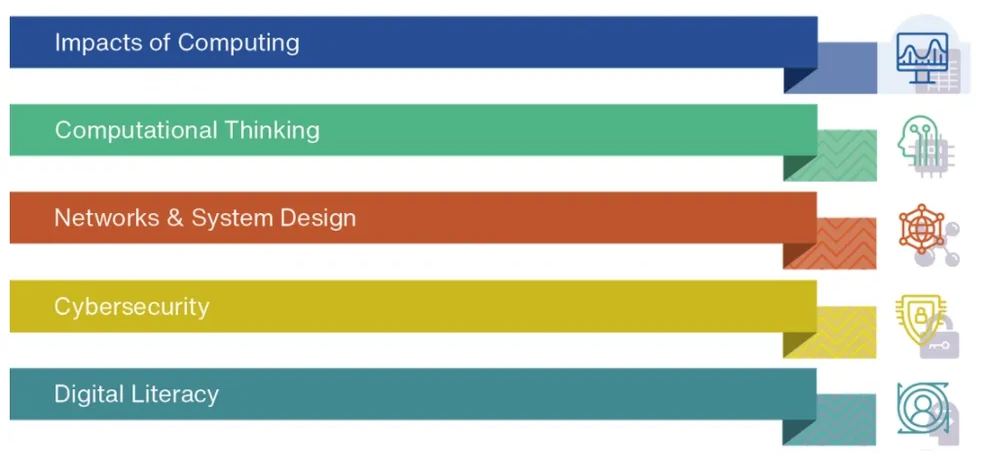
The standards focus on more than just learning to code. They are organized into five key areas: Impacts of Computing, Computational Thinking, Networks and Systems Design, Cybersecurity, and Digital Literacy. Together, these areas help students learn how computers work, how to solve problems with technology, how to use digital tools responsibly, and how technology affects individuals and society. Learning expectations are presented by grade bands, allowing students to build understanding over time in developmentally appropriate ways.

Equity and access are central to the vision of these standards. They are designed so all students — regardless of background, location, or ability — can participate in and benefit from computer science and digital fluency education. Rather than requiring a single course or curriculum, the standards offer flexibility for schools to integrate computer science concepts into existing subjects or develop new learning opportunities. For supporters of K-12 computer science education, these standards represent an important step toward preparing every student in New York to be an informed, capable, and confident digital citizen.